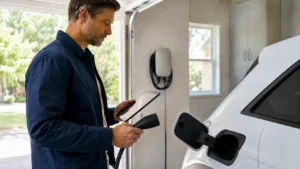
Portable EV Chargers for Home, Travel & Backup
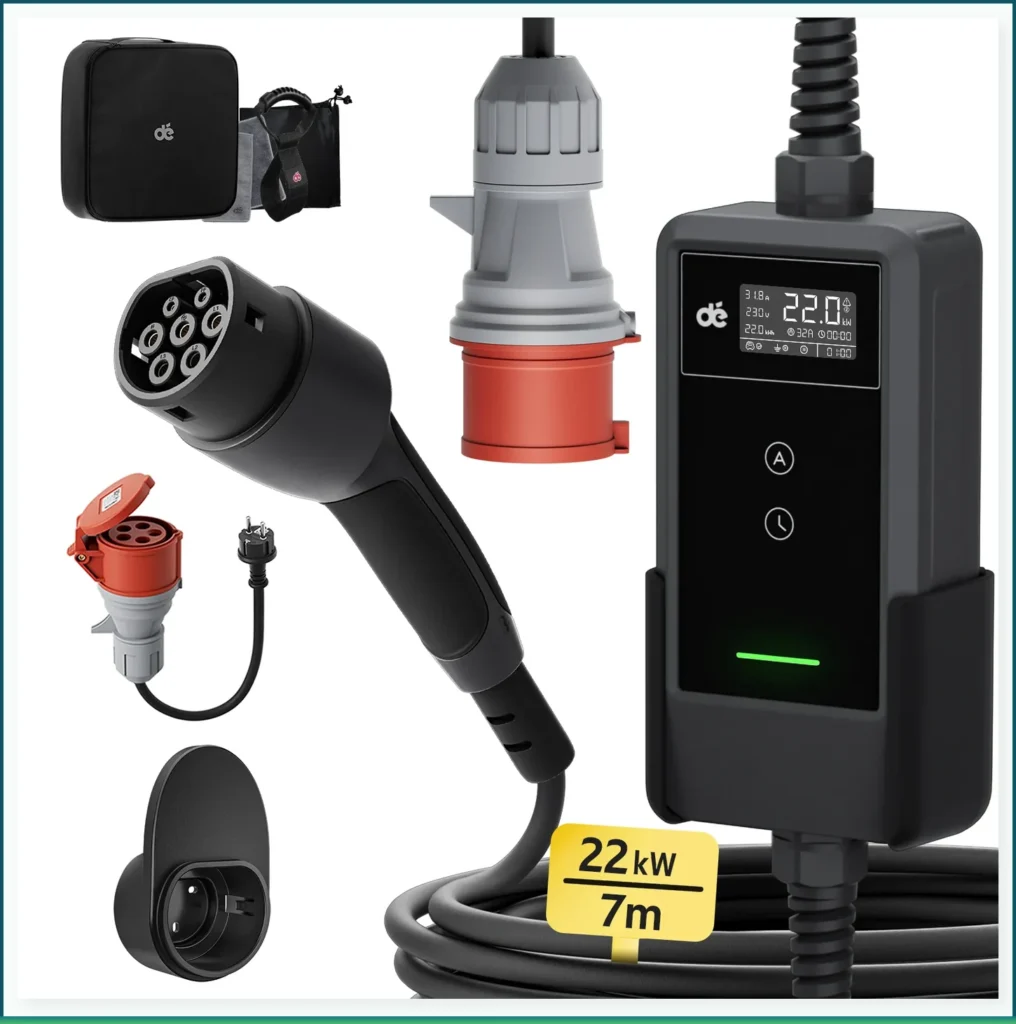
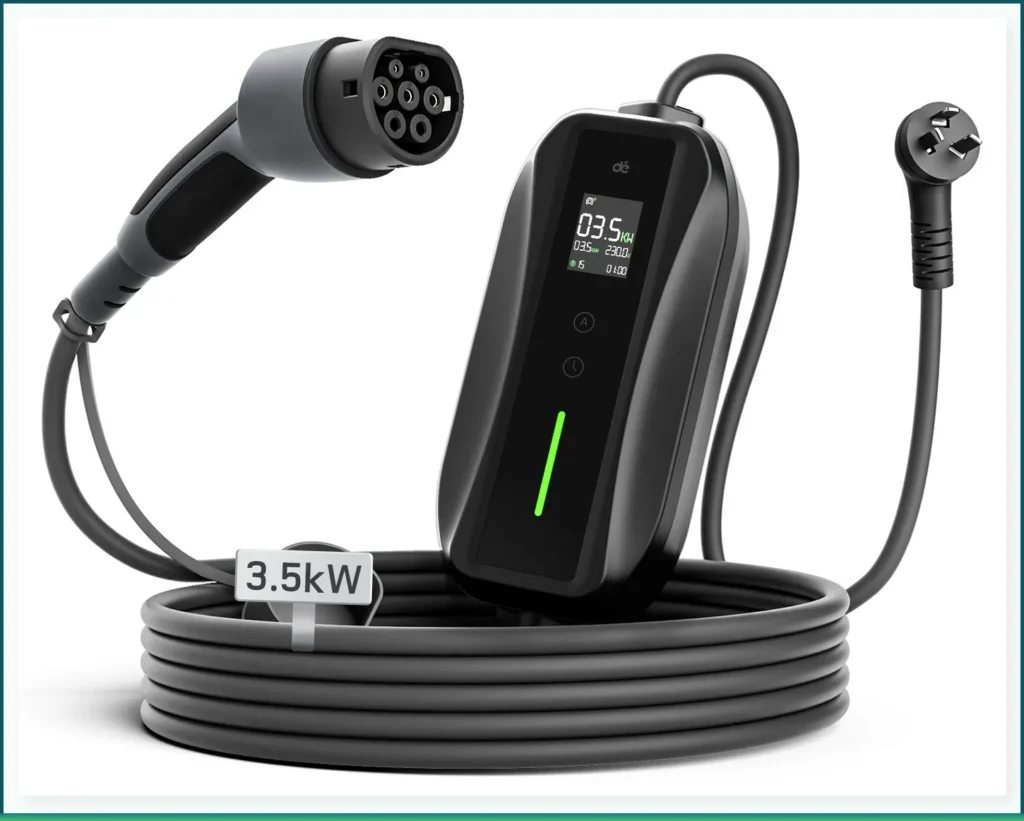
Finding the right portable ev charger requires matching physical durability, connector compatibility, and electrical amperage to your vehicle and daily routine. Whether you need a reliable travel ev charger for road trips, a backup mobile ev charger for emergencies, or a plug in ev charger to supplement a home wall box, understanding hardware limitations keeps your vehicle safely powered on the road.
This guide breaks down essential portability criteria, outlet and connector configurations, side-by-side specification differences, and critical travel safety guidelines. Review the sections below to evaluate your electrical requirements before selecting equipment.
Portability criteria
Choosing a portable EV charger requires looking beyond simple weight to examine how the hardware behaves in real travel conditions. A true mobile EV charger needs to balance thermal management with physical durability so you can store it in a trunk without crushing the cable or housing.
Look at the casing construction and cable flexibility before deciding on a travel EV charger. Rigid cables crack in freezing weather, while heavy, unreinforced control boxes pull constantly on wall outlets and risk damaging residential receptacles. Your unit should feature strain reliefs at both ends and a weatherproof rating suitable for outdoor charging when you are away from home.
Outlet/connector filters
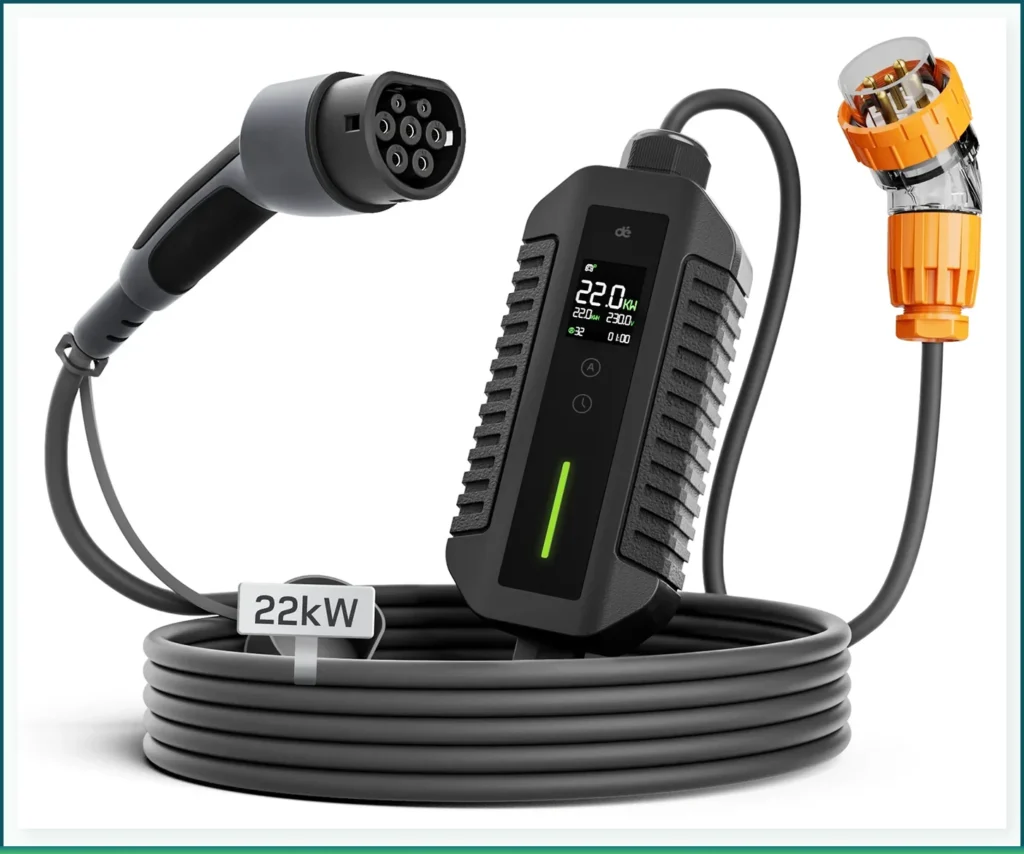
Matching your portable level 2 EV charger to available electrical receptacles prevents slow charging speeds and tripped breakers. Most plug in ev charger options rely on interchangeable adapter tails or fixed NEMA plugs that dictate where you can draw power.
Verify your garage or destination outlet type before selecting a model. A standard NEMA 5-15 household plug limits you to Level 1 speeds, whereas a NEMA 14-50 or NEMA 10-30 plug unlocks faster Level 2 charging rates. Ensure the unit you choose supports the specific amperage draw your vehicle accepts and your circuit can safely deliver.
Comparison table
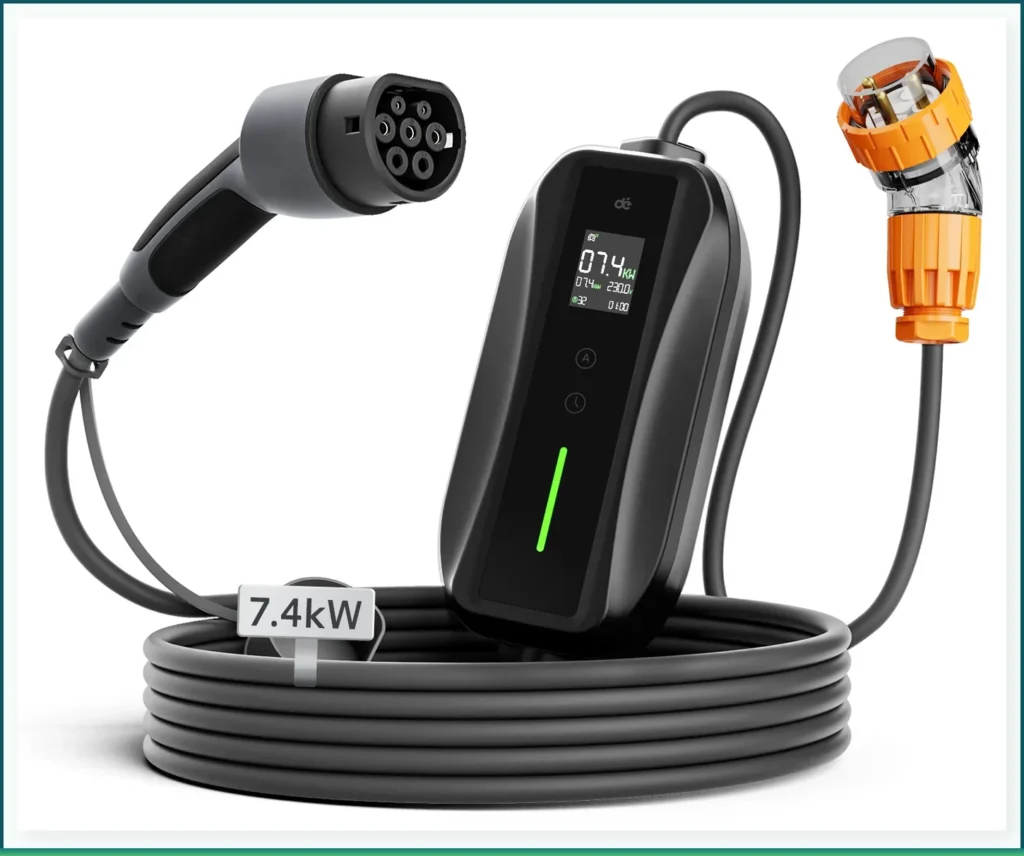
Evaluating portable electric car charger options requires looking past marketing claims and comparing hard hardware specifications side by side. When you need a reliable travel ev charger or a backup unit for your garage, specific electrical metrics determine whether a device fits your daily routine or leaves you stranded without power.
Review the specification trade-offs below to see how different amperage ratings, plug types, and enclosure designs compare across typical mobile charging scenarios.
| Feature / Specification | Entry-Level 120V Mobile Unit | Adjustable Dual-Voltage Charger | High-Amperage Level 2 Unit |
|---|---|---|---|
| Primary Input Plug | NEMA 5-15 (Standard Household) | Interchangeable (e.g., NEMA 5-15 and 14-50) | NEMA 14-50 (Heavy-Duty RV / Range) |
| Maximum Amperage | 12A to 16A | 16A to 32A (Adjustable) | 32A to 40A+ |
| Typical Charging Speed | 1kW to 1.4kW (Slow overnight top-up) | 3.8kW to 7.6kW (Moderate to fast Level 2) | 7.6kW to 9.6kW+ (Rapid home replenishment) |
| Enclosure & Cable Build | Lightweight casing; thinner standard cable | Robust polymer; cold-weather flexible jacketing | Heavy-duty reinforced housing; thick industrial leads |
| Best Use Case | Emergency backup in trunk; destination trickle charging | Road trips, mixed home and travel utility | Dedicated garage plug-in EV charger replacement |
Notice how adjusting the amperage draw changes your circuit requirements. While lower-draw units plug safely into standard household outlets without drawing excessive current, high-amperage portable level 2 ev charger models demand dedicated 240-volt circuits to prevent tripped breakers or thermal overload.
Travel safety
Plugging a portable electric car charger into unfamiliar outlets on the road introduces electrical variables that home garage circuits do not have. Older residential outlets, weathered RV park pedestals, and cabin receptacles can suffer from worn internal contacts, corrosion, or incorrect wiring. Inspecting the physical outlet before connecting your mobile unit prevents excessive heat buildup at the contact points.
Grounding integrity is the single most important safety check for any portable level 2 ev charger used away from home. A missing or compromised earth ground can prevent the vehicle from initiating a charge or, worse, create shock hazards if an internal fault occurs. Quality travel EV chargers feature built-in self-test diagnostics that verify ground continuity and line voltage before sending power to the vehicle connector.
For further reference, see Alternative Fuels Data Center home EV charging guidance.
Thermal management is another critical safeguard during extended charging sessions in harsh weather. Direct sunlight on a charging brick or high ambient temperatures can trigger thermal throttling or automatic shutdowns. Never cover a portable unit with blankets or store it inside a confined, unventilated compartment while operating. Keeping the control box shaded and allowing adequate air circulation preserves internal components and maintains safe operating temperatures.
Frequently asked questions
What matters most when evaluating portable ev charger?
The most important factors are physical durability, proper NEMA plug compatibility, and matching the amperage draw to your circuit capacity. A well-constructed portable electric car charger must withstand trunk storage and outdoor weather while delivering safe power.
What can change the answer for portable ev charger?
Your vehicle maximum onboard charger acceptance rate and the electrical receptacles available at your destination will change your hardware choice. For instance, charging from a standard household NEMA 5-15 outlet provides Level 1 speeds, while a NEMA 14-50 receptacle unlocks faster portable level 2 ev charger speeds.
What should you verify before making a decision about portable ev charger?
Always verify your circuit breaker amperage, outlet wiring integrity, and grounding continuity before plugging in any mobile ev charger. Unfamiliar receptacles on the road can suffer from worn contacts or missing ground connections.
Choosing a reliable portable electric car charger starts with verifying your vehicle connector type, daily mileage needs, and available electrical circuits. Inspect your travel destinations for compatible NEMA receptacles, and ensure your unit includes built-in thermal protection and self-test diagnostics before relying on it away from home.