Can You Charge an EV in the Rain? Outdoor Charging Guide
Understand can you charge an ev in the rain, including U.S. compatibility, setup, safety, costs and the key checks to make before choosing EV charging equipment.
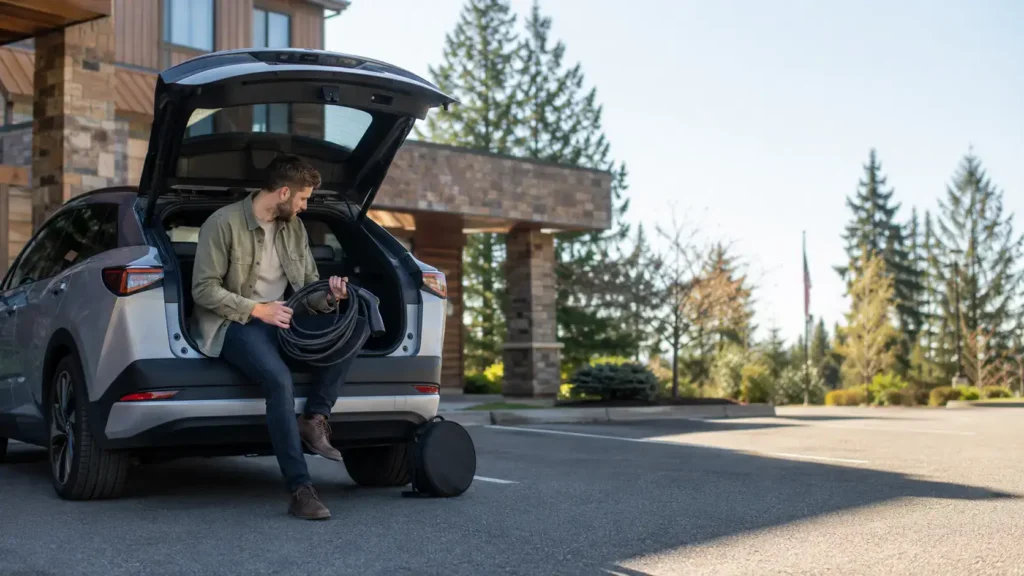
Charging an electric vehicle in the rain is entirely safe when you use listed, code-compliant equipment designed for outdoor wet locations. Because electric vehicle charging systems use weather-resistant enclosures, safety pins that keep circuits de-energized until a secure handshaking protocol occurs, and ground-fault protection, normal rain showers do not pose an electrical shock hazard.
Understanding how weather affects your outdoor ev charger helps you manage day-to-day charging with confidence. This guide breaks down equipment certifications, enclosure ratings, connector maintenance, outlet protection, and environmental safety boundaries so you can establish a reliable routine.
Listed equipment
Charging your electric vehicle in the rain is entirely safe when you use listed equipment designed specifically for outdoor wet locations. Every component in the charging circuit, from the hardwired wall unit to the portable cord set, must carry certification marks from a nationally recognized testing laboratory such as UL or ETL. These marks indicate that the hardware has undergone rigorous testing against electrical shock and water ingress standards before reaching the market.
Unlisted equipment or DIY home modifications introduce severe electrical hazards when exposed to moisture. A standard indoor household extension cord, for instance, cannot handle the sustained high amperage of a Level 2 EV supply equipment setup outdoors. When moisture bridges an unrated connection, it can cause short circuits, melt plastic casings, or trip your home electrical panel.

Enclosure ratings
Outdoor EV charging hardware relies on NEMA and IP ratings to define its exact level of resistance to water and solid objects. Look for an enclosure rating of NEMA 3R or NEMA 4, which indicates protection against rain, sleet, and external ice formation. For portable charging bricks that might rest on the ground, a higher ingress protection standard like IP65 or IP67 provides robust defense against water jets and temporary submersion.
Review the physical installation of your outdoor EV charger to ensure these enclosure ratings remain effective over time. A NEMA 4 enclosure loses its weather resistance if the cabinet door is left slightly ajar or if conduit fittings are installed without proper weatherproof gaskets. Inspect the rubber seals around your charger housing periodically to verify they remain pliable and free of cracks.
Connector care
Your vehicle charging plug and the corresponding port on your car require basic physical maintenance to prevent moisture and mineral buildup from causing electrical resistance or connection faults. While modern EV connectors feature internal safety pins that keep circuits de-energized until a secure handshaking protocol confirms a proper connection, keeping the contact pins clean preserves your hardware over years of daily plug-ins.
Before inserting the nozzle into your vehicle, take a quick look inside the plastic shroud for standing water, dirt, or road salt residue. If you spot rain droplets trapped inside the connector cup, point the nozzle downward and give it a firm shake to expel the moisture. Never insert paper towels, cotton swabs, or metal tools into the deep recesses of a live or plugged-in connector. If stubborn debris requires cleaning, use a dry, lint-free cloth or compressed air while the unit is completely disconnected from power.
When charging concludes and you unplug your vehicle, always secure the protective rubber dust cap over the vehicle inlet port. Leaving the port open to blowing rain allows water to pool inside the receptacle housing, which can trigger onboard vehicle diagnostic errors or freeze solid during sub-freezing winter storms. Similarly, return your portable or hardwired charging connector to its wall-mounted holster rather than leaving it resting directly on wet grass, puddles, or snowbanks.
Outlet covers
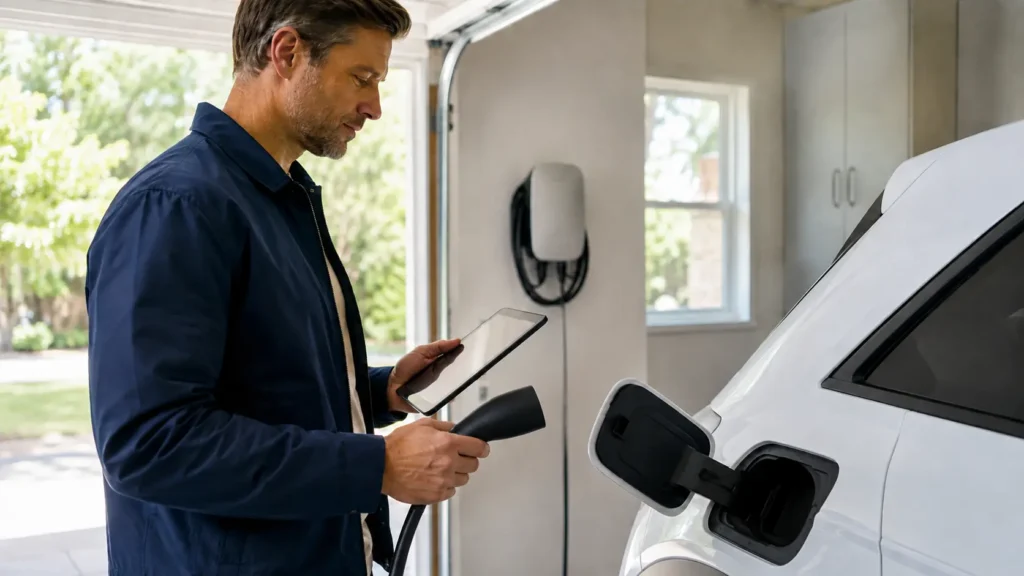
If you rely on a 240-volt Level 2 garage outlet or a portable Level 1 setup plugged into an exterior wall receptacle, the quality of your weather-rated outlet cover dictates whether your electrical system stays safe during a downpour. Standard flat outlet plates leave gaps around the cord body, allowing rain to run straight down the cable and into the live receptacle.
An outdoor installation requires a heavy-duty, in-use wet location cover, often referred to as a bubble cover. These hinged enclosures provide enough physical depth to keep the heavy-gauge plug completely covered and sealed while power flows to your vehicle. Check the rubber gasket lining the perimeter of the cover frame annually. If the gasket dries out, cracks, or loses its springy texture, it will no longer maintain the watertight seal needed to keep driving rain away from energized metal contacts.
Pay close attention to how the cord exits the bottom of the enclosure. Most code-compliant covers feature bottom slots designed to let the heavy charging cable hang naturally downward without pinching the insulation or forcing the lid open. Never force a rigid lid shut over a thick EV cord if it strains the hinge, because a compromised cover invites wind-driven moisture directly onto your electrical terminals.
flooding/lightning boundaries
Standing water introduces severe electrical risks that standard weatherproofing cannot overcome. While your charging hardware may resist driving rain, ground level pooling water presents a completely different hazard category. Never operate portable or hardwired EV charging equipment if the surrounding parking area or garage floor is actively flooding. Water can submerge low lying receptacles, cord connections, or wall units, shorting electrical circuits and creating dangerous ground faults.
If water rises above the level of your receptacle or charging plug, step away from the equipment and avoid touching your vehicle until the water recedes and the circuit is shut off at the main electrical panel. Ground fault circuit interrupters and internal charger safety checks are designed to mitigate standard shocks, but they are not rated to protect against total immersion in deep puddles or floodwaters.
Electrical storms introduce another critical operational boundary. Lightning strikes anywhere near your utility lines can send massive transient voltage spikes through the grid and into your home wiring. Although modern home electrical panels and EV charging units often feature surge protection devices, these systems have energy absorption limits. Unplugging your portable charger or pausing your hardwired session during severe thunderstorms prevents catastrophic surges from frying your vehicle on-board charger.
Monitoring local weather alerts helps you time your charging sessions safely. If a severe thunderstorm warning or flash flood watch is in effect, wait until the storm passes before plugging in. Charging can easily resume once weather conditions stabilize and ground areas are completely clear of standing water.
For further reference, see EPA plug-in electric vehicle charging basics.
manufacturer instructions
Following manufacturer instructions provides a crucial baseline when operating charging equipment in adverse weather. Every hardwired wall unit, portable charging cable, and vehicle comes with specific documentation detailing operating limits, ambient temperature thresholds, and prohibited configurations.
Read the owner manual supplied with your specific EV and supply equipment before relying on them during heavy downpours. While general safety principles apply broadly across the electric vehicle industry, individual manufacturers outline distinct maintenance schedules, reset procedures, and moisture management steps tailored to their specific hardware design.
Pay close attention to error codes or fault lights triggered by moisture exposure. Many modern charging units feature self-diagnostic systems that lock out power delivery if humidity or condensation exceeds safe engineering thresholds. Attempting to override these faults or bypassing manufacturer safeguards can damage internal components and void your warranty protection.
Frequently asked questions
When charging your electric vehicle outdoors, rely on certified equipment, keep your connector pins clean and dry, and pause sessions if severe weather or standing water appears. Review your equipment documentation for specific manufacturer guidelines to keep your setup safe and reliable.
What matters most when evaluating can you charge an ev in the rain?
The most critical factor is the use of certified, listed equipment. Your hardwired wall unit or portable charging cable must carry marks from an independent testing laboratory like UL or ETL, and exterior outlets must feature weatherproof in-use covers.
What can change the answer for can you charge an ev in the rain?
Severe environmental conditions change standard safety assumptions. Standing water, active flooding, and severe lightning storms introduce risks that normal weatherproofing and ground-fault circuit interrupters cannot fully overcome.
What should you verify before making a decision about can you charge an ev in the rain?
Check your equipment documentation for manufacturer operating limits, inspect rubber seals and gaskets on your enclosure and outlet covers for wear, and confirm your charging hardware is securely mounted above ground level.